An adaptive station for
the next generation of esports.
Identify. Ignite.
The Galaxy Ring identifies the athlete. Personal settings return; the team identity lights up.
.png)

.png)
.png)
Personalization & health data +
Galaxy Ring data informs personal support. The concept recalls the athlete’s setup while linking health monitoring with the surrounding Galaxy ecosystem.
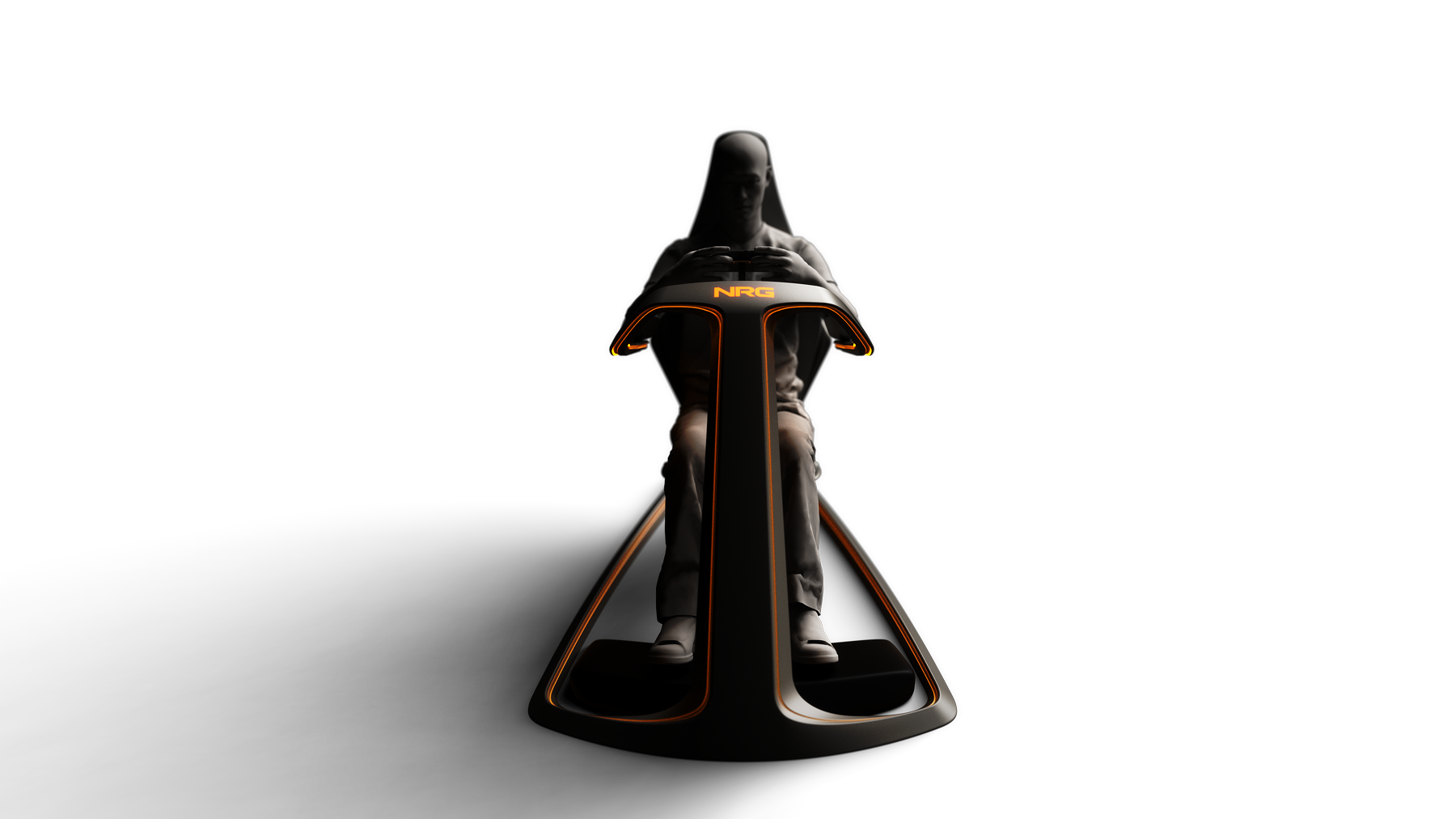
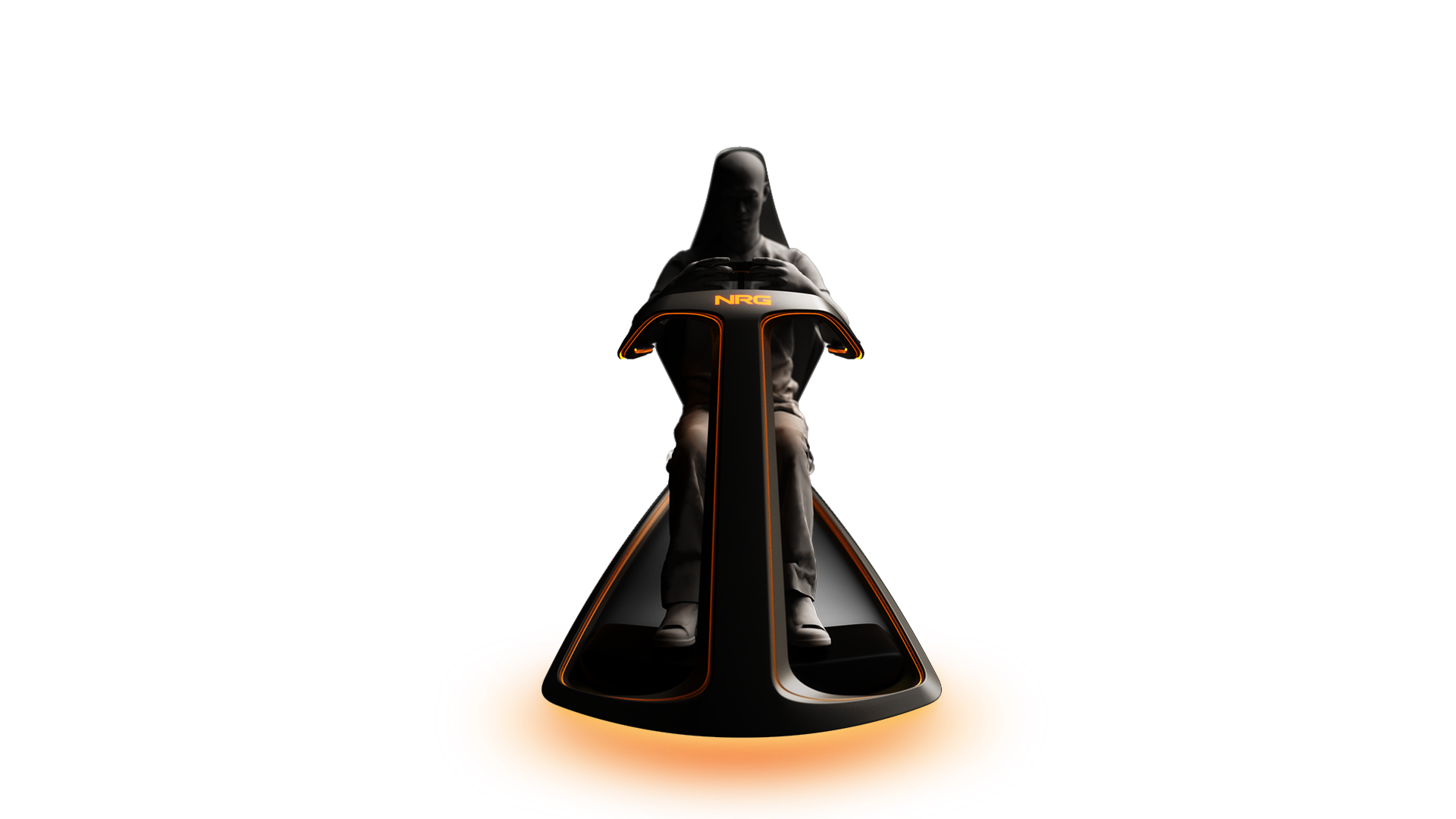
Adapt to the athlete.
The proposed support system follows posture and arm movement while preserving handheld control.
.png)
.png)
.png)
.png)
.png)
.png)
.png)


.png)
.png)
.png)
.png)

.png)

.png)
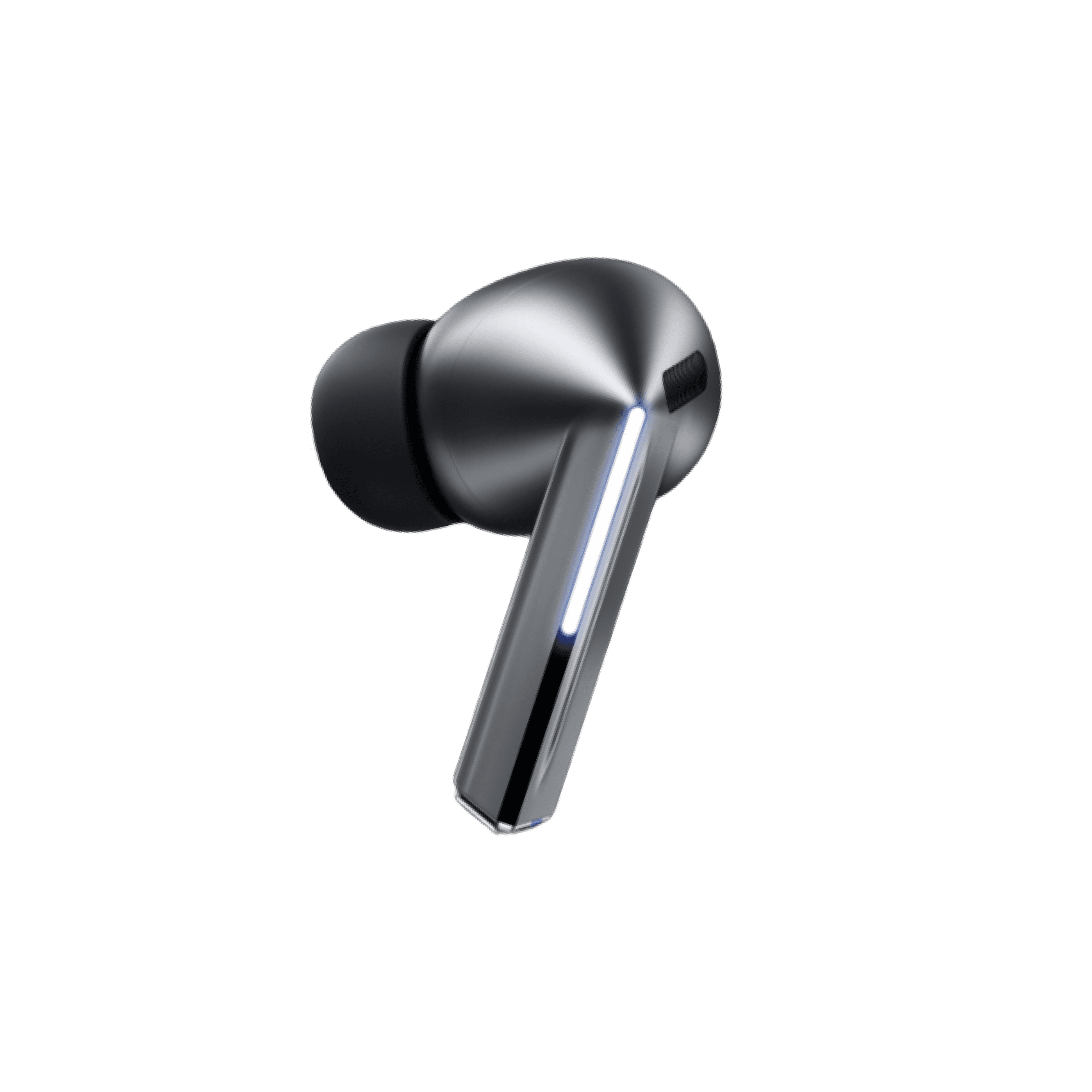
Complete the setup.
Integrated audio and concealed magnetic charging bring the Galaxy devices together.
.png)
.png)
Make the match visible.
In-game action becomes light in the arena, connecting the audience to the player.
.png)
.png)


.png)


Improve the environment
around handheld play.
Preserve the controls. Support the athlete within tournament device constraints.
Relieve physical strain. Respond to sustained phone holding and poor playing posture.
Engage the room. Translate the match into physical cues beyond the overhead screen.
Research notes & next steps +
The original research considered Gen Z and Gen Alpha in North America, the shift toward mobile gaming, tournament restrictions, and athlete posture. It reported 8–12 daily training hours and musculoskeletal pain among more than 40% of esports athletes.
NRG was founded in Los Angeles in 2015. The original brand study connected esports to creator reach, the Spectrum Castle training and content space, and Fundamentals apparel. It cited over 2 billion content views in 2024, Nicholas Armstrong’s 20 million followers, and a $10 million, 20,000-square-foot Castle.
The project research cited a 26% decline in PC and console playtime since 2021, mobile gaming among 73% of Gen Alpha in North America, and 41% growth in mobile esports watch time from 2023 to 2024. It also included 2025 projections of 318 million mobile esports viewers and 548 million overall esports viewers, compared with 418 million in 2019. These are the historical figures used to frame the project, rather than updated market claims.
Next steps: validate fit across body sizes, stability, freedom of movement, tournament compatibility, and spectator understanding.
Original project research ↗Notes on architecture & mechanisms +
Mapping the body, the components, and the ways they move.
Mechanism and armrest studies examine contact surfaces, pivots, sliding tracks, and the relationship between seat and framework.
Notes on design direction +
Two mood boards set the visual language: Samsung’s Geometric Sensuality Evolved and NRG’s more vivid gaming expression.
These mood boards establish the contrast between Samsung’s restrained geometric language and NRG’s vivid, gaming-inspired energy before form development begins.
Notes on form & proportion +
Exploring the frame around the player. Comparing alternatives before resolving the system.
The alternatives compare silhouette, body clearance, seated proportions, and how the frame surrounds the athlete.
Notes on surface & identity +
Refining contact points, transitions, and the expression of the brand.
Section changes and framework junctions bring Samsung’s refined geometry together with the expressive lighting and identity of NRG.